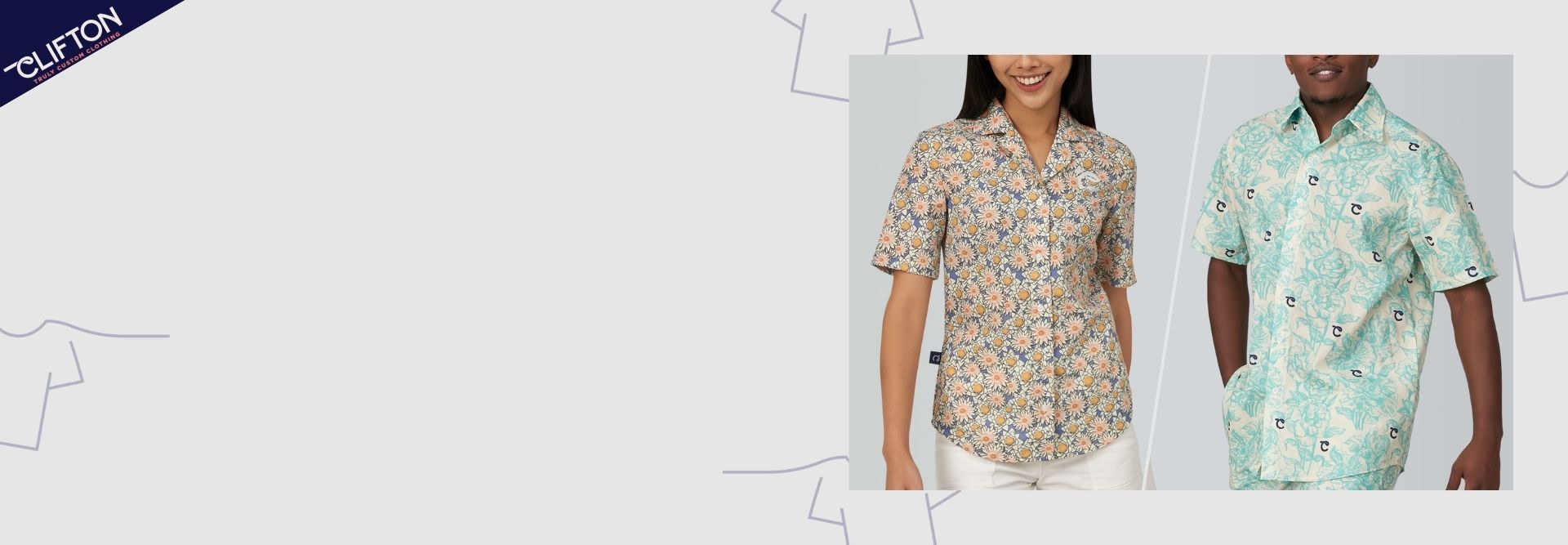
Hold onto your hats, fashionistas! The iconic Hawaiian and Aloha shirts are staging a comeback. Once forgotten in the dusty corners of your closet, these colorful, bold, and loud shirts are reclaiming their place in the spotlight. These have become the symbol of leisure, relaxation, and the island's lifestyle. Although you might feel that the Aloha and the Hawaiian shirts are the same, there are a few key differences between the two.
Let’s explore the 7 things you should know about Aloha Shirts vs Hawaiian Shirts, delving into their origin, cultural significance, design, material, styling options, and more.
Aloha Shirts vs Hawaiian Shirts:
Aloha and Hawaiian shirts are often confused and thought of as the same. However, they are very different. So, what is an aloha shirt, and what is a Hawaiian shirt? Let's explore their differences from origin and history to design and styling options.
Origin & History of Aloha vs Hawaiian Shirts:
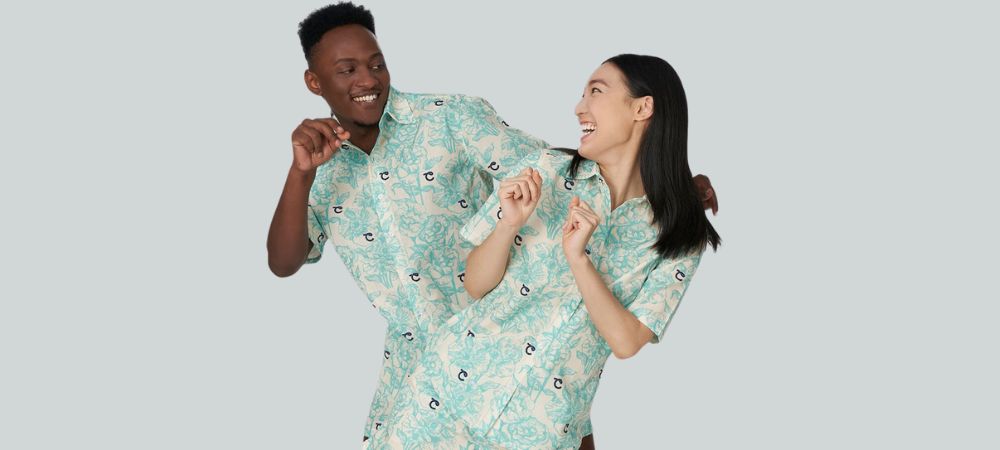
It is impossible to discuss the Aloha and Hawaiian shirts without delving into their origin and history. The Aloha shirts weren’t invented until the 1920s or 1930s when Hawaii was going through a cultural renaissance. As the Hawaiians were reclaiming their culture and heritage, the Aloha shirts became a symbol of pride and celebration. These shirts are characterized by their bold floral patterns and were worn by many to express their culture and identity.
In the early 20th century, tourists started visiting the mesmerizing land of Hawaii. Their desire to take back home a piece of the tropical experience—the magnificent palm trees dancing in the breeze, the perfume-laden flowers, and the crystal-clear waters—gave birth to Hawaiian shirts.
Cultural Significance of Aloha & Hawaiian Shirts
Aloha shirts and Hawaiian shirts are not just pieces of fabric; beyond their colorful patterns, there is a deeper cultural significance for the people of Hawaii and their neighbors. The designs of these shirts represent the natural beauty of the island. Not only that, these shirts are an embodiment of the Hawaiian heritage and aloha spirit – emphasizing kindness, harmony & hospitality. When you wear these shirts, you're not just making a fashion statement; you're paying homage to a culture, honoring traditions, and embracing the spirit of Aloha.
Design and Style Differences: Hawaiian Shirts vs Aloha Shirts
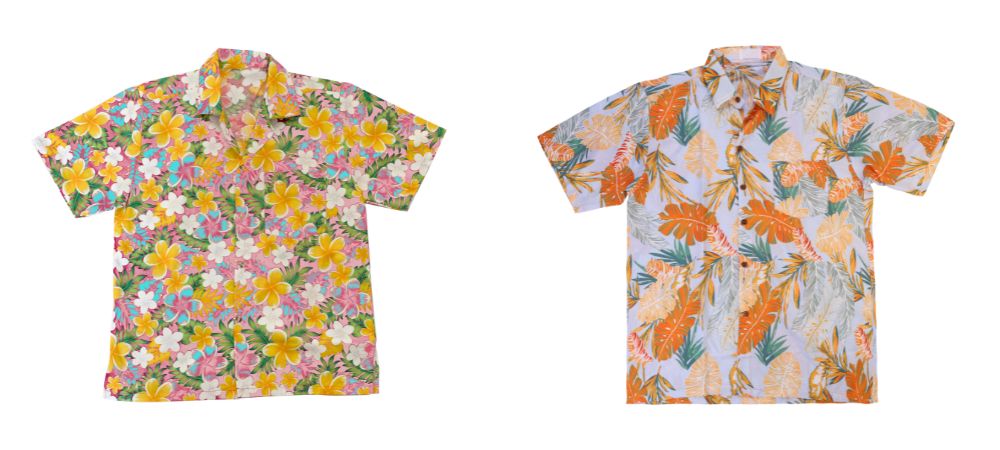
When it comes to design and style, Hawaiian shirts and Aloha shirts have various distinctions that set them apart. Let’s explore the design and style differences in detail:
Hawaiian Shirts:
- Hawaiian shirts usually feature motifs representing the tropical land, such as palm trees, pineapples, coconuts, surfboards, or tropical fruits.
- These shirts have a playful and casual design, adding to the relaxed vibe.
- These shirts' prints capture the laidback Hawaiian atmosphere. Some prints include the Hawaiian beach, sunsets, and surfing.
- These shirts use the pastel colors and are bright and colorful.
- The patterns are fun and versatile, allowing you to be creative with your desired patterns.
Aloha Shirts:
- On the other hand, Aloha shirts have detailed patterns that represent the Hawaiian landscape. Moreover, the patterns may even include cultural symbols and historical events.
- The Aloha shirts tell a story through their motifs and represent their culture. Motifs that you might commonly find on the Aloha shirts include volcanoes, hula dancers, or traditional Hawaiian rituals.
- The Aloha shirts often feature prints & motifs that hold great cultural significance, such as Mauna Loa or Kilauea volcanoes, ukuleles, or traditional tikis.
- These shirts are bold and vibrant, reflecting the lush and colorful nature of the island.
- The patterns and design feature traditional Hawaiian themes.
Material and Comfort of Aloha & Hawaiian Shirts
Aloha and Hawaiian shirts are available in a wide range of fabric options that are comfortable. These shirts were originally available in silk. With the passage of time and the evolution of fashion trends, these iconic shirts became available in various other fabrics, including cotton, rayon, and their blends.
Silk:
Traditionally, the Aloha and Hawaiian shirts were made from luxurious silk fabric. Silk is a lightweight fabric that has a smooth feel against your skin. Aloha and Hawaiian shirts made from silk look elegant and are perfect for warm weather and special occasions.
Cotton:
Cotton is a popular choice for Aloha and Hawaiian shirts as the fabric is soft and breathable. Cotton shirts can easily be worn in hotter weather; since the fabric itself is breathable, the person wearing a cotton shirt stays cool during the hot weather. Moreover, cotton is a long-lasting fabric that does not require a lot of care during washing or ironing, making cotton Aloha or Hawaiian shirts a practical choice.
Rayon:
Another commonly worn material for Aloha and Hawaiian shirts is rayon. Rayon is a semi-synthetic material that is lightweight and silky in texture. This fabric offers the best of both worlds: It drapes elegantly over the body like silk without being high-priced. Rayon shirts are the best option for fashion enthusiasts who want style and elegance without breaking the bank.
Blends:
Blends are also a popular choice for Aloha and Hawaiian shirts. Shirts made from blends of cotton and rayon are soft, breathable, and don’t wrinkle easily. Making them an ideal choice for travelers or people who want a low-maintenance wardrobe.
Fashion Trends:
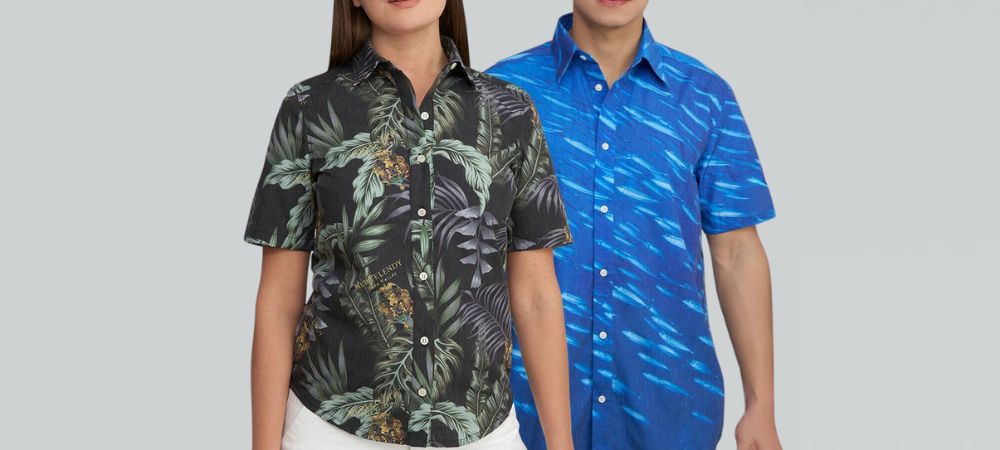
The fashion trends revolving around aloha and Hawaiian shirts have continuously been evolving. From the war times to the popularity in the mainstream, these shirts have undergone various fluctuations. In recent years, these shirts have gained immense popularity and have become a staple in both casual and formal wear.
- Aloha and Hawaiian shirts were first thought of as luxurious and laidback, exuding a carefree style.
- Trendy celebrities and runway models have brought these vibrant and casual outfits to everyday fashion.
- These shirts create captivating, eye-catching looks.
- These shirts are also worn to formal events and are a unique alternative to formal dress shirts.
- You can see many influencers and celebrities rocking these shirts on a red carpet, breaking the notion of what is considered formal.
- Moreover, designers, collaborators, and runway have brought these shirts into the mainstream.
How to Choose Between Aloha & Hawaiian Shirts:
When choosing between Aloha shirts and Hawaiian shirts, consider your style and the occasion. If you are someone who appreciates the historical and cultural significance, Aloha shirts are the best option for you. But if you are seeking a playful look, go for Hawaiian shirts.
To choose a shirt that suits your preferences and needs, consider the following tips:
- When choosing a shirt, consider the occasion. Choose patterns and colors according to the occasion. Vibrant colors & bold patterns would look good for casual outings, while subtle colors and patterns would look good on a formal occasion.
- Go for an appropriate fit; Aloha and Hawaiian shirts offer various fitting options that suit every preference. If you prefer wearing shirts that give you the freedom of movement, opt for loose-fitting shirts. But if you prefer shirts that fit you perfectly, go for a fitted option.
- Consider the weather and choose the fabric accordingly.
- Think of comfort when choosing a shirt, it is important that your shirt has a soft fabric that is breathable, especially if you are going to wear it for a longer period.
Styling Tips:
You can easily style both Hawaiian and Aloha shirts for formal and casual occasions.
For a casual look, pair your Aloha shirt or a Hawaiian shirt with shorts or chinos. Add on some sandals. For a beach inspired look, you can add a straw hat and some sunglasses. However, if you are going for an elegant and sophisticated look, wear your Aloha or Hawaiian shirt untucked with tailored trousers and loafers.
Design Your Own Hawaiian Shirts:
Understanding the key differences between Aloha shirts and Hawaiian shirts can help you make an informed decision. Choosing the right shirt and styling it to your personal liking can also help you channel your inner Hawaiian spirit.
Ready to embark on a Hawaiian journey? CLIFTON Clothing offers a wide range of fabric options and allows you to choose between multiple motifs and patterns. Visit CLIFTON Clothing to design your Custom Hawaiian Shirt.
FAQ's:
Q: What is the difference between an Aloha shirt and a Hawaiian shirt?
A: Aloha shirts represent the culture and heritage of Hawaii. Their patterns represent Hawaiian elements that symbolize Hawaiian culture and tradition. On the other hand, Hawaiian shirts were invented more like a souvenir for tourists, who want to take the Hawaiian experience back with them. Hawaiian shirts are vibrant and have bold patterns.
Q: What are Aloha and Hawaiian shirts commonly made of?
A: Aloha and Hawaiian shirts are commonly made from silk, cotton, rayon, or blends of cotton and rayon.
Q: What is aloha wear?
A: Aloha wear is a style that refers to the laid-back spirit and style of the Hawaiian island.
Q: How can I achieve a casual look with Hawaiian and Aloha shirts?
A: To achieve a casual look, pair your Hawaiian shirt with shorts or chinos, and add on some sandals. If you are going out to the beach, add a straw hat and sunglasses.

 EN
EN NL
NL ES
ES DE
DE FR
FR