
30 Second Summary
- Cotton is soft and breathable but absorbs moisture, making it less suitable for intense workouts, while synthetic fabrics wick sweat, dry quickly, and offer durability and flexibility.
- For optimal sports performance, synthetic fabrics are the preferred choice, and for high-quality activewear, shop at CLIFTON Clothing.
Selecting the right fabric for sportswear is crucial for comfort, performance, and durability. The debate between cotton and synthetic fabrics has continued for years, with each material offering unique benefits and drawbacks. Cotton, a natural fiber, is well known for its softness and breathability, making it a comfortable choice. However, it absorbs moisture and dries slowly, which can be problematic during intense workouts.
On the other hand, synthetic fabrics, such as polyester and spandex, are engineered to wick away sweat, dry quickly, and provide flexibility. Understanding the key differences between cotton and synthetic fibers for sports apparel helps athletes and fitness enthusiasts decide on the best sportswear for their needs.
Understanding Cotton Fabric
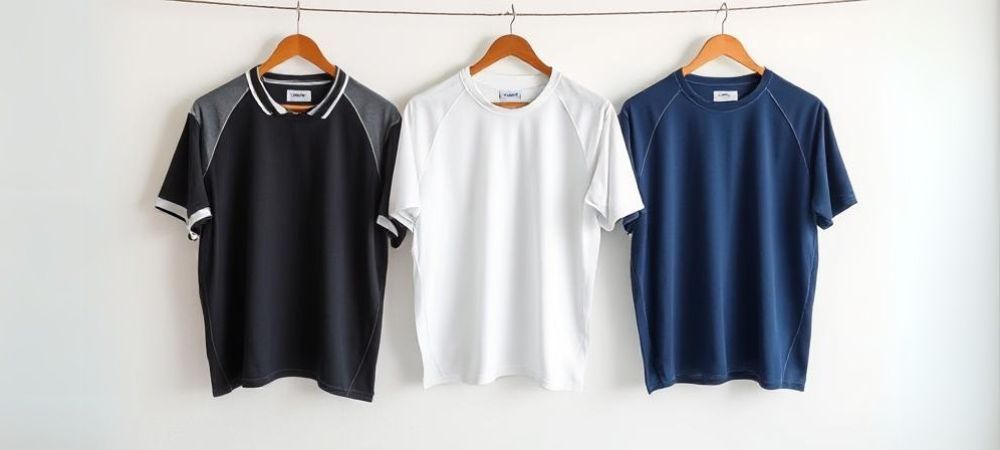
Cotton is a natural fiber derived from the cotton plant. It is widely used in custom sports apparelbecause of its softness and breathability. Cotton garments feel comfortable on the skin, making them a common choice for casual wear.
Benefits of Cotton for Sportswear
- Soft and Comfortable - Cotton fabric is gentle on the skin, preventing irritation and rashes.
- Breathable Material - It circulates air, keeping the body cool in warm weather.
- Hypoallergenic Properties - Cotton is less likely to cause allergic reactions, making it ideal for sensitive skin.
Drawbacks of Cotton for Sportswear
- Absorbs Moisture - Cotton soaks up sweat, making the fabric heavy and uncomfortable.
- Slow Drying - Cotton takes longer to dry once wet compared to synthetic fabrics.
- Loses Shape Over Time - Frequent washing and stretching can cause cotton clothing to lose its fit.
Understanding Synthetic Fabric
Synthetic fabrics, such as polyester, nylon, and lycra, are made artificial by chemical processes. These materials are designed to improve performance in custom sports shirts.
Benefits of Synthetic Fabric for Sportswear
- Moisture-Wicking Ability - Synthetic fibers pull moisture away from the skin, keeping athletes dry.
- Quick Drying - Unlike cotton, synthetic fabrics dry rapidly, preventing discomfort.
- Durability and Flexibility - They resist wear and tear, making them long-lasting.
- Lightweight and Stretchable - Synthetic materials offer flexibility, enhancing movement and performance.
Drawbacks of Synthetic Fabric for Sportswear
- Less Breathable - Some synthetic materials trap heat, making them uncomfortable in high temperatures.
- May Cause Skin Irritation - Chemicals used in synthetic fabrics can cause allergic reactions.
- Can Retain Odors - Sweat and bacteria can build up, creating unpleasant smells.
Comparing Cotton and Synthetic Fabric for Sportswear
Comfort Level
Cotton is softer and more comfortable for casual wear but retains moisture, making it unsuitable for intense workouts. Synthetic fabrics are lighter and dry faster, keeping athletes comfortable for longer.
Moisture Management
Synthetic materials wick away sweat, making them the preferred choice for sports activities. Cotton absorbs moisture, which can lead to discomfort and chafing. They are the best for manufacturing custom moisture-wicking shirts.
Durability and Longevity
Synthetic fabrics are more durable because they resist stretching, shrinking, and wear. You can give Curzon Custom Performance Year-Round Cycling Jersey a try to experience the best durability. Cotton, while comfortable, loses its shape over time.
Performance in Different Weather Conditions
Cotton’s breathability provides comfort in hot weather, but its moisture retention can become an issue. Synthetic fabrics perform well in hot and cold conditions due to their moisture-wicking properties.
Odor Retention
Cotton is less likely to retain odors, whereas synthetic fabrics can trap sweat and bacteria, leading to unpleasant smells.
Best Fabric Choice for Different Sports
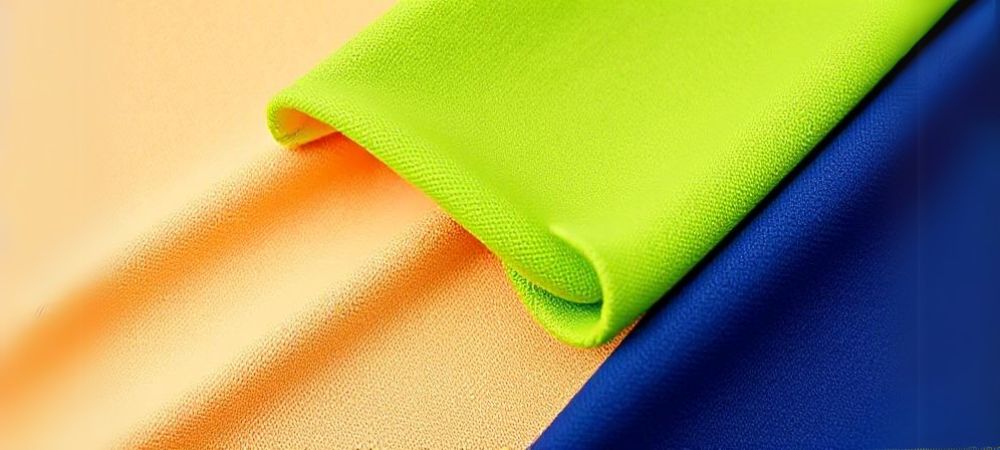
Running and High-Intensity Training
Synthetic fabrics are ideal because of their moisture-wicking and quick-drying properties.
Yoga and Low-Impact Exercises
Cotton can be suitable for low-intensity workouts where excessive sweating is not an issue.
Outdoor and Extreme Sports
Synthetic fabrics provide flexibility and durability, making them better suited for outdoor activities.
Additional Factors to Consider When Choosing Sportswear
Environmental Impact
Cotton is biodegradable and comes from natural sources, making it more eco-friendly. However, cotton farming requires significant water and pesticide use. Synthetic fabrics, while durable, are made from petroleum-based materials and take longer to break down, contributing to plastic pollution.
Cost Comparison
Cotton garments are often more affordable but may wear out faster, requiring frequent replacements. Synthetic sportswear tends to be more expensive upfront but lasts longer, making it a cost-effective investment in the long run.
Fabric Blends
Some sportswear brands combine cotton and synthetic materials to balance comfort, breathability, and performance. Blended fabrics can offer moisture-wicking properties while maintaining softness, making them an excellent compromise for athletes.
Final Thoughts
Choosing between cotton and synthetic fabrics for sportswear depends on comfort, durability, and performance needs. Cotton is breathable and soft but absorbs moisture, making it less ideal for intense activities. Synthetic fabrics, with moisture-wicking and quick-drying properties, provide better flexibility and durability, making them the preferred choice for most sports. Blended fabrics offer a balance of both materials.
For high-performance sportswear that enhances comfort and performance, explore CLIFTON Clothing. Shop now for top-quality activewear that keeps you cool, dry, and comfortable during any workout!
FAQs
1. Is cotton or synthetic better for outdoor sports?
Synthetic fibers are better for outdoor sports because they resist moisture, dry quickly, and withstand various weather conditions. Cotton is soft and breathable but absorbs sweat, making it less suitable for intense activities.
2. How do synthetic fibers improve athletic performance?
Synthetic fabrics enhance performance by offering moisture-wicking properties, flexibility, and durability. They keep athletes dry, reduce friction, and provide a lightweight feel, improving overall comfort and movement.
3. Are cotton jerseys suitable for high-intensity sports?
Cotton jerseys are comfortable but not ideal for high-intensity sports. They absorb sweat, become heavy, and take longer to dry, leading to discomfort during prolonged activities.
4. Why do synthetic materials dry faster than cotton?
Synthetic fibers do not absorb water like cotton. Their moisture-wicking properties allow sweat to evaporate quickly, keeping athletes dry and comfortable.
5. What’s the environmental impact of synthetic fibers?
Synthetic fibers are non-biodegradable but require less water and pesticides than cotton. Some brands use recycled materials to make them more sustainable.
6. How does fabric choice affect comfort on the field?
Lightweight, breathable fabrics with moisture control improve comfort, preventing chafing and overheating during play.
7. Which Moisture-wicking vs. absorbent sports fabrics are best?
Moisture-wicking fabrics like polyester are best for sports as they keep sweat away, while absorbent fabrics like cotton hold moisture, causing discomfort.

 EN
 NL
 ES
 DE
 FR
