 (1920 x 667 px) (1).jpg)
On a crisp November morning, the grounds of Eton College are alive with excitement, buzzing with the palpable anticipation of spectators and players alike. As the crowd, bundled in warm attire, gathers along the venerable brick barrier known simply as the Wall, the atmosphere is charged with a sense of tradition and competition.
The players, clad in traditional gear, i.e., custom printed clothing, are ready to engage in the Eton Wall Game, a sport so arcane and physically demanding that it could only belong to this historic institution. This game, blending elements of rugby and football, stands out with its highly specialized rules and the significant physical Wall that defines its play area. Exclusive to Eton College, it is a profound part of the school's heritage, embodying a tradition that has captivated the Eton community for centuries.
Today's exploration delves into the Eton Wall Game's rich history, complex rules, cultural significance, and enduring allure. As we peel back the layers of this unique sporting event, it becomes clear why the Wall Game remains a closely guarded tradition of Eton College, continuously fascinating and engaging new generations.
Eton Wall Game History
Origins
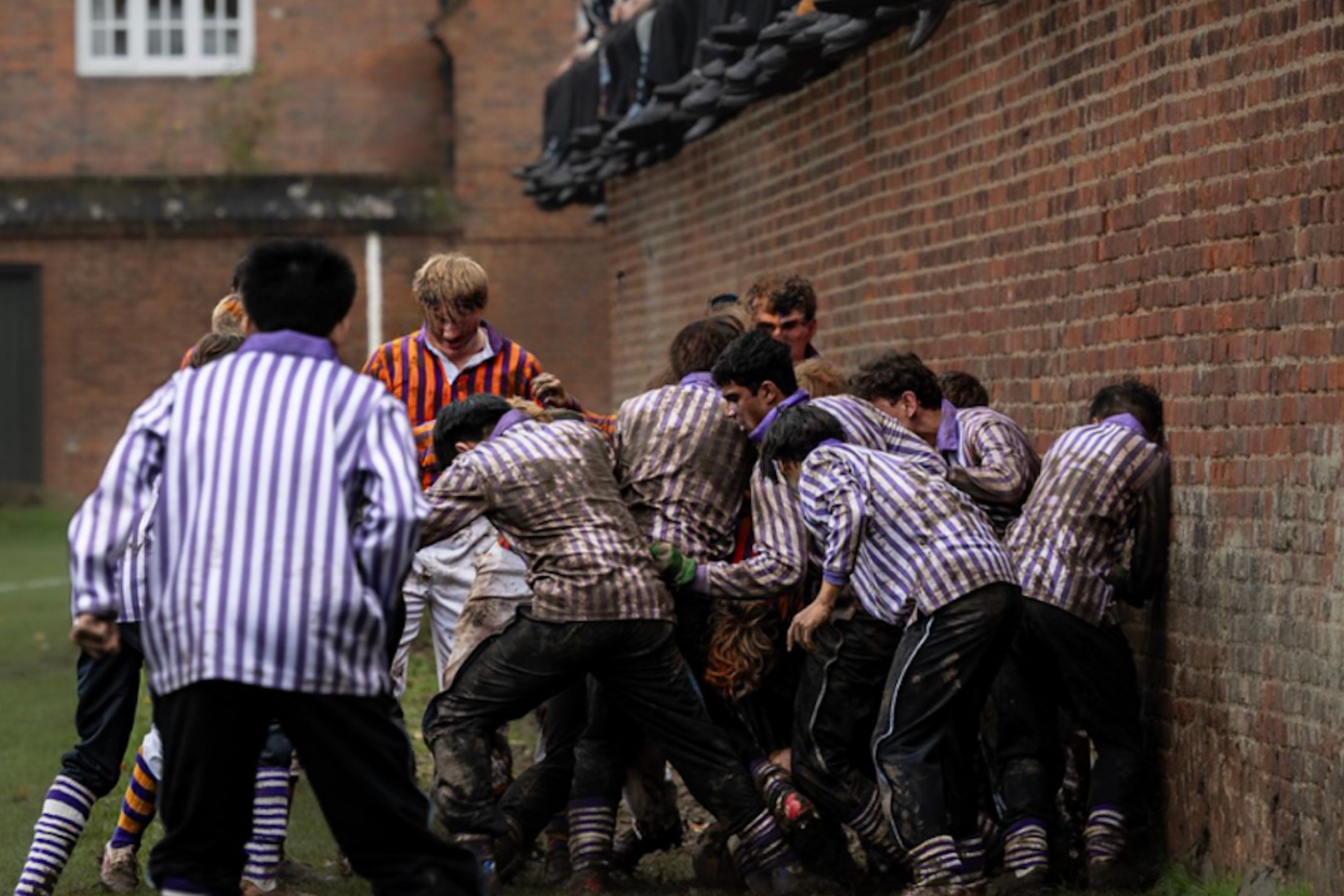
The origins of the Eton Wall Game are as enigmatic as the furrow in which it is played. Established in 1766, the game is believed to have been invented by Kings Scholars seeking respite from the rigors of academic life.
These scholars, perhaps inspired by the simplicity of kicking a ball, transformed their mundane school routine into a battleground of strategy and endurance against the backdrop of Eton's iconic brick wall. This innovation provided a physical outlet and a mental challenge otherwise lacking in their scholarly pursuits.
Historical Significance
The Wall Game became more than just a pastime; it evolved into a rite of passage for many at Eton. It's said that participation in the Wall Game instilled a sense of resilience and camaraderie among the students. The game's unique blend of physical rigor and strategic play mirrors the educational ethos of Eton, where excellence is pursued in all areas of life. It is one of the Elite Sports at Eton.
Evolution over Time
Over the centuries, the Eton Wall Game has undergone subtle yet significant changes. While the game's core elements have remained consistent, the tactics and strategies have evolved considerably.
This evolution reflects the changing dynamics of the student body and the increasing physical demands of the sport. In the early days, the game may have been more about physical endurance, but modern strategies emphasize clever positioning and teamwork.
Adaptations and Modernizations
In recent years, the game has seen further adaptations that ensure its relevance and continuity. Safety measures have been introduced, and coaching techniques have improved, enhancing the overall structure without diluting the game's traditional essence.
Moreover, including international students has introduced new perspectives into the strategies employed during the matches.
The Continuing Legacy

Despite time, the Eton Wall Game remains a celebrated tradition. It is a testament to the school's commitment to maintaining heritage while adapting to contemporary needs. The game continues to be a highlight of the school year, eagerly anticipated by both players and spectators and serves as a living history lesson for all involved.
Understanding the Eton Wall Game

The game is played along a 100-meter-long brick wall at Eton College, adjacent to the B3022 road. This Wall isn't just a physical barrier; it's a symbol of tradition and the literal backbone of the game. Its presence is a constant reminder of the history and the generations of players who have competed along its length.
Eton Wall Game Rules & Objectives
- The Formation: Players engage in what is known as a "bully," similar to a rugby scrum, positioned against the Wall.
- Objective: The primary aim is for the offensive team to move the ball along the Wall to score points while the defensive team attempts to halt their progress.
- Scoring: Points can be scored through a 'shy' (1 point), a kick to goal (5 points), or a goal itself (10 points), though goals are exceedingly rare.
Eton Wall Game Techniques, Key Positions & Roles
- Second at the Wall: This player kneels on the ball, shielding it from opponents.
- The Fly: A nimble player who attempts to move the ball when it emerges from the bully.
- Lines: Players who are not directly engaged in the bully but play crucial roles in manoeuvring the ball and defending strategic positions.
The Significance of the Wall Game at Eton
Cultural Impact
The Eton Wall Game event is much more than a sporting event; it is a cornerstone of the traditions that define Eton College's cultural landscape. As an integral part of the school's annual traditions, it embodies the spirit of fierce competition blended with deep camaraderie among the players.
This game tests physical strength, strategic thinking, and team cooperation. Eton prides itself on instilling these values in its students, mirroring the institution's ethos of shaping well-rounded individuals. Each match is a dramatic display of resilience and tactical expertise, drawing players and spectators into the school's historical narrative.
Annual Events
The pinnacle of the Eton Wall Game's calendar is undoubtedly the St Andrew's Day match. This event is more than just a game; it is a vibrant celebration of Eton's rich heritage and a showcase of student excellence.
Year after year, the St Andrew’s Day match draws a large gathering of current students, alumni, and sometimes even global spectators, all eager to witness this unique and historic game. The day is filled with spirited chants and a sense of unity, making it one of the most anticipated events at the college. It is a day where past and present converge, and the time-honored traditions of Eton are displayed in full splendor.
This annual match highlights the players' skills and strategies and reinforces the bonds among the Eton community. It celebrates the enduring legacy and continuing relevance of the Wall Game in the modern era.
The Eton Wall Game Today
Current Play
The essence of the Eton Wall Game remains unchanged, yet it has adapted to evolving strategies and more rigorous training regimes. These developments reflect the game's competitive nature, engaging both the modern student body and the public with its sophisticated tactics and mental challenges.
Collaboration with CLIFTON Clothing
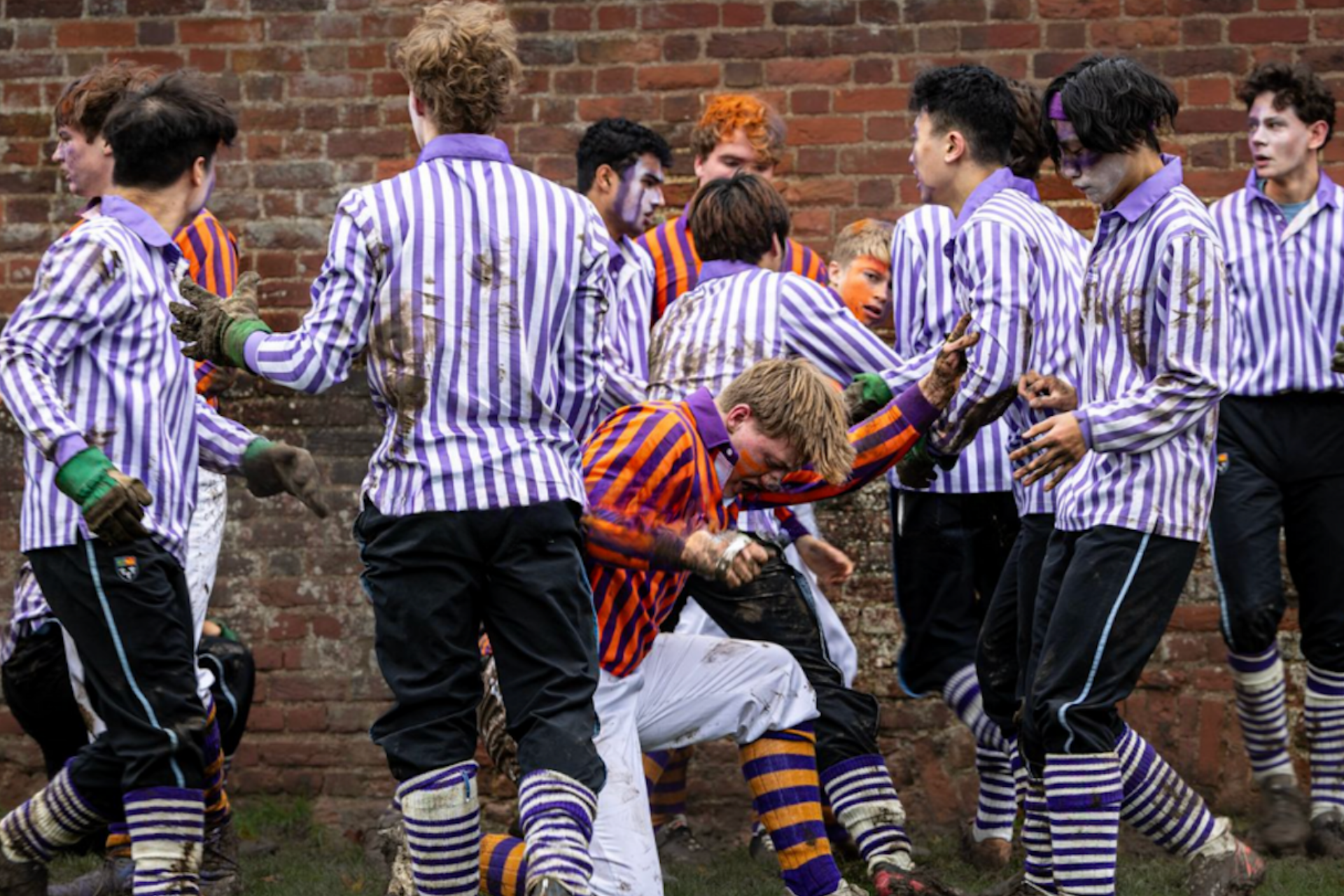
To enhance the sporting experience, Eton College has partnered with CLIFTON Clothing, known for its custom rugby shirts. CLIFTON's commitment to quality provides athletes with apparel that meets the specific demands of the Wall Game, blending tradition with modern athletic wear.
The Bottom Line:
The Eton Wall Game transcends mere sport; it is proof of Eton College's rich traditions and commitment to fostering unique experiences. As this storied game looks towards the future, its relevance and capacity for adaptation will be crucial in maintaining its status as a cornerstone of Etonian culture.
Reflecting on its illustrious past and vibrant present, the future of the Wall Game appears secure, buoyed by the strong tradition and the continuous dedication of the Eton community to uphold this peculiar yet prestigious contest. The publication invites readers to share their perspectives on the Eton Wall Game and other traditional sports.
Are these games invaluable cultural heritages or mere relics of a bygone era? Readers are encouraged to share this article with sports enthusiasts and historians and to join the discussion on preserving unique cultural practices for future generations.

 EN
 NL
 ES
 DE
 FR
