.jpg)
30 Second Summary
- This guide explains choosing the perfect waterproof jacket by focusing on key factors like material, breathability, fit, and essential features such as adjustable hoods, waterproof zippers, and seam sealing.
- High-quality materials like lightweight nylon, 4 oz waterproof bonded microfiber, and peached microfiber fabric ensure durability, comfort, and complete water protection, making them ideal for daily use or outdoor adventures.
A waterproof jacket is a must-have in every wardrobe. Whether braving a heavy downpour or needing protection against light rain, the right coat can keep you dry while ensuring comfort and style. However, finding the perfect waterproof jacket can feel overwhelming due to the many materials, features, and designs.
This guide will explain everything you need to know about choosing a waterproof jacket. From understanding materials to identifying the best features, this article will help you make an informed decision. Here is how to choose a waterproof jacket:
Why a Waterproof Jacket Is Essential
A waterproof jacket serves as a protective shield against moisture, wind, and unpredictable weather conditions. It helps you stay dry and comfortable, no matter the activity. Whether commuting to work, hiking, or traveling, having a reliable waterproof layer ensures you’re always prepared.
Unlike water-resistant jackets, custom waterproof jackets are designed to keep water completely out. Their materials and construction work together to prevent moisture from penetrating, even during prolonged exposure.
Investing in a waterproof jacket is not just about staying dry. It’s also about durability, comfort, and versatility. Choosing the right coat gives you long-lasting protection with minimal maintenance.
Key Factors to Consider When Choosing a Waterproof Jacket
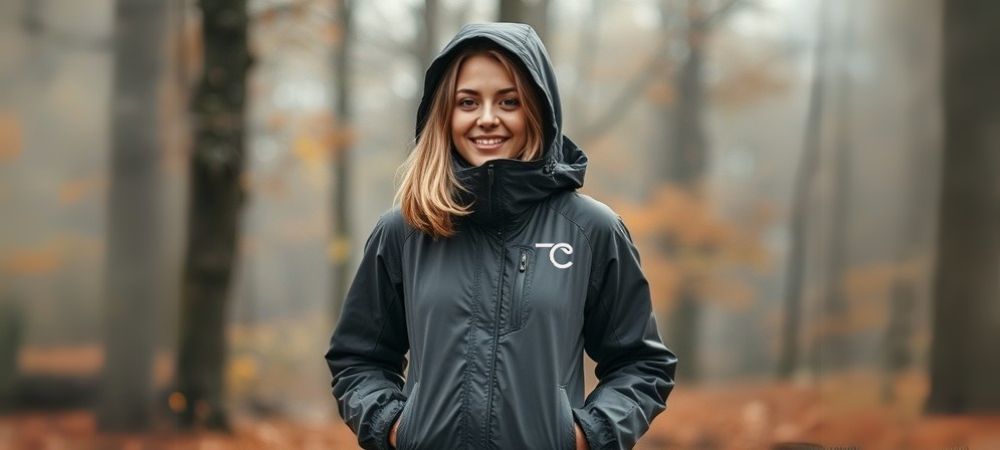
When shopping for waterproof jackets orcustom rain jackets, you must consider several factors to ensure you get the right fit and functionality. Here are the essential elements you need to evaluate.
1. Material Plays a Vital Role
The material of a waterproof jacket determines its durability, comfort, and level of protection. Some high-quality materials to look for include:
- Lightweight Nylon: Nylon is durable, lightweight, and quick-drying, making it ideal for waterproof outerwear. It offers excellent water resistance while maintaining breathability for comfort. If you want to try this material, you need a Maple Custom Showerproof Jacket by CLIFTON Clothing.
- 4 oz Waterproof Bonded Microfiber (140gsm): This material is lightweight yet highly effective at keeping water out. Its durability makes it a preferred choice for outdoor adventures. Ashley Custom Waterproof Vest Gilet is the perfect example of a waterproof jacket.
- Waterproof Material: Jackets made from specialized waterproof materials offer complete protection against moisture. These materials are specifically engineered to block water while ensuring breathability.
- Peached Waterproof Microfiber Fabric: Known for its soft texture and superior water resistance, this fabric adds comfort to functionality. It is ideal for those looking for a jacket that feels smooth against the skin while offering excellent waterproof performance. Berwick Custom Waterproof Storm Jacket by CLIFTON Clothing is what you need.
Choosing the right material ensures the perfect balance of protection, comfort, and durability.
2. Breathability for Comfort
Breathability is a critical factor when selecting a waterproof jacket. A jacket that is completely waterproof but not breathable can trap heat and moisture inside, leading to discomfort.
Look for jackets that allow moisture to escape while preventing water from entering. This feature is significant during physical activities like hiking, running, or cycling. Breathable waterproof materials ensure you stay dry and comfortable inside and out.
3. Seam Sealing and Construction
Seam sealing is often overlooked but plays a significant role in ensuring your jacket is waterproof. Even the best materials cannot keep you dry if the seams let water seep through.
- Fully Taped Seams: These seams are entirely sealed to block moisture. Jackets with fully taped seams offer the highest level of waterproofing.
- Critically Taped Seams: Only the most vulnerable seams, such as shoulder or hood seams, are sealed. This is suitable for light rain conditions.
Pay attention to the overall construction of the jacket as well. Look for reinforced stitching and durable zippers to ensure long-term performance. Islington Custom Waterproof Jacket with Hood is a must-have for your wardrobe this season.
4. Fit and Mobility
A waterproof jacket should offer a comfortable fit without restricting your movement. When trying on jackets, consider the following:
- Layering Space: Ensure enough room to wear layers underneath, especially during colder months.
- Range of Motion: Test the jacket’s flexibility by moving your arms and shoulders. A good jacket allows natural movement without pulling or feeling tight.
An adjustable fit is another critical feature. Look for jackets with adjustable hems, cuffs, and hoods to keep moisture out while achieving a tailored fit.
5. Weight and Portability
Weight becomes a key factor if you plan to carry your waterproof jacket during travels or outdoor adventures. Lightweight options like nylon jackets or 4 oz waterproof bonded microfiber jackets are perfect for portability.
Many jackets can also be folded or packed into a compact size, making them easy to carry in a backpack. Lightweight jackets do not compromise on performance, ensuring you stay protected without added bulk.
Essential Features to Look for in a Waterproof Jacket
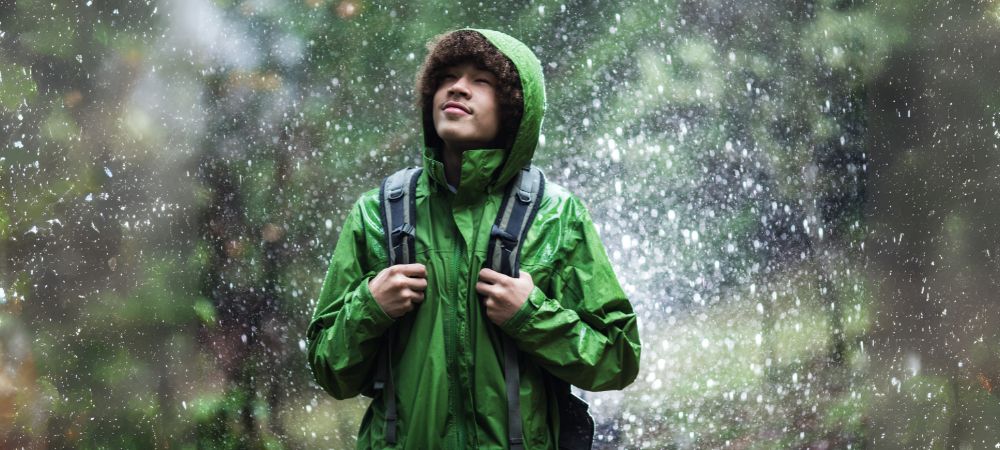
To maximize the functionality of your waterproof jacket, look for these essential features:
1. Adjustable Hood for Maximum Protection
A waterproof jacket with a good hood is complete. A well-designed hood protects your head, neck, and face from rain. Look for features like:
- Adjustable drawstrings to customize the fit.
- A stiff brim to keep rain away from your face.
- Removable options for added versatility.
2. Waterproof Zippers and Pockets
Water can easily seep through zippers, so look for jackets with waterproof zippers or storm flaps. Waterproof zippers are specifically designed to prevent leaks and keep you dry.
Pockets are equally important. Choose jackets with sealed or zippered pockets to protect your belongings. Internal pockets are great for items like phones, wallets, or keys.
3. Adjustable Cuffs and Hems
Adjustable cuffs and hems help seal out moisture and wind. Velcro or elastic cuffs allow you to tighten the jacket around your wrists, while adjustable hems ensure a snug fit around your waist or hips.
4. Ventilation Features for Breathability
Look for jackets with ventilation options like underarm zippers or mesh-lined pockets. These features allow airflow and help regulate body temperature during physical activities.
When and Where to Use Your Waterproof Jacket
Waterproof jackets are versatile and can be used in various scenarios. Here are some of the most common situations:
1. Everyday Use
Lightweight waterproof jackets made from nylon or microfiber fabrics are ideal for daily wear. They protect without feeling heavy, making them suitable for commuting or running errands.
2. Outdoor Adventures
If you enjoy hiking, camping, or cycling, opt for durable, waterproof jackets with breathable materials. Features like ventilation zippers, adjustable hoods, and taped seams will keep you dry and comfortable in challenging conditions.
3. Travel and Packing
Travelers need lightweight, packable jackets that only take up a little space. Waterproof bonded microfiber jackets offer the perfect balance of durability and portability.
How to Care for Your Waterproof Jacket
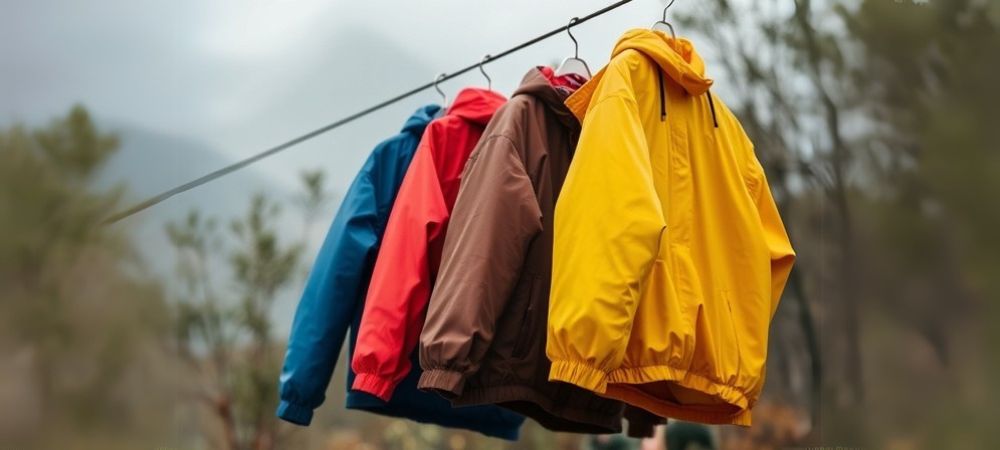
To ensure your waterproof jacket lasts for years, proper care is essential. Here are some tips:
- Clean Regularly: Use mild detergents and avoid harsh chemicals that can damage waterproof coatings.
- Air Dry: Hang your jacket to dry naturally. Avoid direct heat or dryers, as they can weaken waterproof materials.
- Reapply Waterproof Coating: Over time, waterproof coatings may wear off. Use a waterproof spray to restore protection.
- Store Properly: Avoid folding your jacket for extended periods. Hang it in a dry, well-ventilated area.
Proper care will maintain the performance and longevity of your jacket.
Abschließende Gedanken
Choosing the perfect waterproof jacket is about finding the right balance of materials, fit, and features. Whether you need a lightweight nylon jacket for everyday use or a durable waterproof bonded microfiber option for outdoor adventures, investing in high-quality outerwear ensures you stay dry and comfortable.
For premium waterproof jackets that combine style, functionality, and durability, explore the collection at CLIFTON Clothing. With various options crafted from advanced waterproof materials, you will find the perfect outerwear for any weather condition.
Stay dry, stay stylish – discover the best waterproof jackets today at CLIFTON Clothing!
FAQ's
What is the difference between water-resistant and waterproof jackets?
Water-resistant jackets can withstand light rain for a short time, but waterproof jackets provide complete protection against prolonged exposure to rain. Waterproof jackets are made from specialized materials and feature sealed seams to prevent water penetration.
Which materials are best for waterproof jackets?
Lightweight nylon, 4 oz waterproof bonded microfiber (140gsm), and peached waterproof microfiber fabric are excellent materials. These provide durability, breathability, and superior water resistance.
How do I maintain my waterproof jacket?
Clean it gently using mild detergent, avoid dryers, and reapply the waterproof coating periodically to maintain effectiveness.
Are waterproof jackets breathable?
Yes, high-quality waterproof jackets are designed with breathable materials to allow moisture to escape while keeping water out.
How should a waterproof jacket fit?
A waterproof jacket should allow room for layering, provide a full range of motion, and feature adjustable cuffs, hems, and hoods for a snug, comfortable fit.

 EN
EN NL
NL ES
ES DE
DE FR
FR