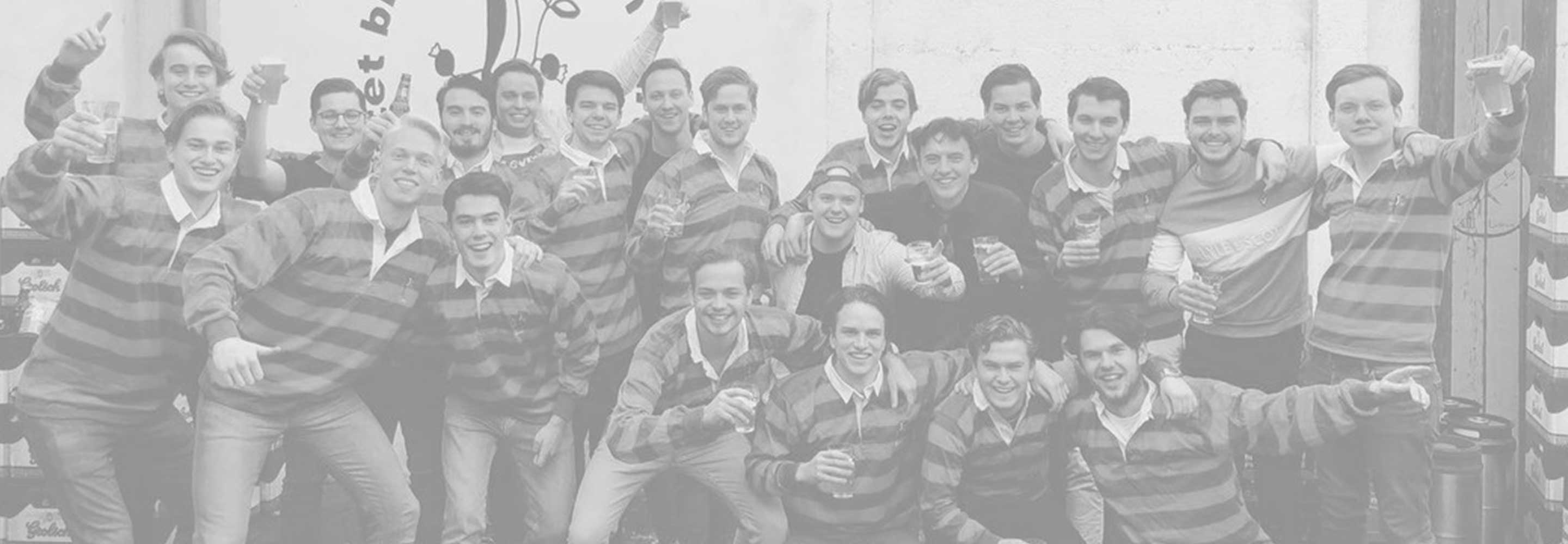
Do you ever hear people talking about fabrics and wonder what the big deal is? While there's no denying that the way a fabric feels can be important, there are many other aspects to consider too - from the type of fiber used to how it drapes and how much heat it retains. In this post, we'll be delving into all of these factors so you can understand not just the types of fabrics but also exactly why they're different from one another. So grab a cup of your favorite beverage, get ready for some fabric facts, and let's delve deeper into the wonderful world of textiles!
1. Fabric Weight
When customizing apparel, one of the primary factors to consider is the weight of fabric - this can be expressed in GSM (Grams per Square Meter) or oz (ounces per square yard), both measures that tell us how heavy the fabric for your custom rugby shirts will be — lighter enough for a breathable T-shirt-like feel; or heavier enough for more of a chunky, jersey-like look? When it comes to custom jerseys, choosing the right fabric matters as this metric determines not only the strength, but also to a degree the breathability and softness of your custom apparel.
2. Fabric Composition
Furthermore, understanding the composition of fabric is essential. 100% cotton may be preferable for leisurewear since it's softer and has better airflow but custom memorabilia shirts or performance-based custom apparel might require a polyester blend as they offer enhanced durability and tend to hold their form better. Luckily our custom clothing can be tailored to fit any type of style and fabric preference!

3. Fabric Decoration
If you’ve been on the hunt for embroidered swag, your fabric decorations are dictated by the type of fabric you choose. Cotton is ideal for custom logos and text, as well as individual names and numbers using print or embroidery techniques that are typically block color designs without gradients. However, if you’re looking to take it up a notch, polyester and polycotton fabric can accept all the above but also allow for sublimation printing which permits custom full-color patterns, photos or designs seam-to-seam across your custom clothing item. The possibilities of custom apparel have never been so great!
We hope this guide to fabric was useful and now you're ready to create your own custom clothing! At CLIFTON, we are proud to offer customisation options in terms of fabric, color, design, size and more. Our team is always ready to assist if you have any questions while creating your custom piece - just contact us and we'll be more than happy to help you create the perfect custom apparel for you!

 EN
 NL
 ES
 DE
 FR
