.jpg)
Resumen de 30 segundos
- Polo shirts are lightweight and fitted, making them ideal for warm-weather and semi-casual events, while rugby shirts are thicker, more durable, and feature bold stripes, designed for cooler climates and a rugged, sporty look.
- Polo shirts offer a refined, versatile style for various occasions, whereas rugby shirts add a relaxed, athletic touch. Both bring unique benefits and seasonal styling options to a wardrobe.
Polo and rugby shirts are two distinct styles that add variety to casual wardrobes. Both versatile and rooted in sportswear, they offer unique features and histories that set them apart. This article explores the critical differences between polo shirts and rugby shirts, from design to functionality, helping you choose the best option for your style and comfort. Here is all you need to know about polo shirts vs. Rugby shirts:
1. Fabric Composition: Light vs. Durable Materials
One of the most noticeable differences between polo and rugby shirts is their fabric. Custom Polo Shirts are made from lightweight, breathable materials such as cotton, 4-way stretch, and jersey or blended cotton fabrics. These fabrics keep the wearer cool and comfortable, making them ideal for warmer weather or casual settings. Arlington Custom Cotton-pique Polo Shirt by CLIFTON Clothing will be the best pick.
Rugby shirts, on the other hand, are designed for durability and are often crafted from heavier, thicker cotton or jersey fabric. This robust fabric can withstand the rough physical demands of rugby, providing extra protection and warmth. Rugby shirts, like Landmark Custom Cotton-twill Vintage Rugby Shirt by CLIFTON Clothing, are excellent for cooler climates, thanks to their thicker material, which adds an extra layer of insulation.
Polo shirts may be better for warm days or laid-back gatherings, while rugby shirts provide added durability and warmth for cooler weather.
2. Collar Style: Soft Polo Collars vs. Sturdy Rugby Collars
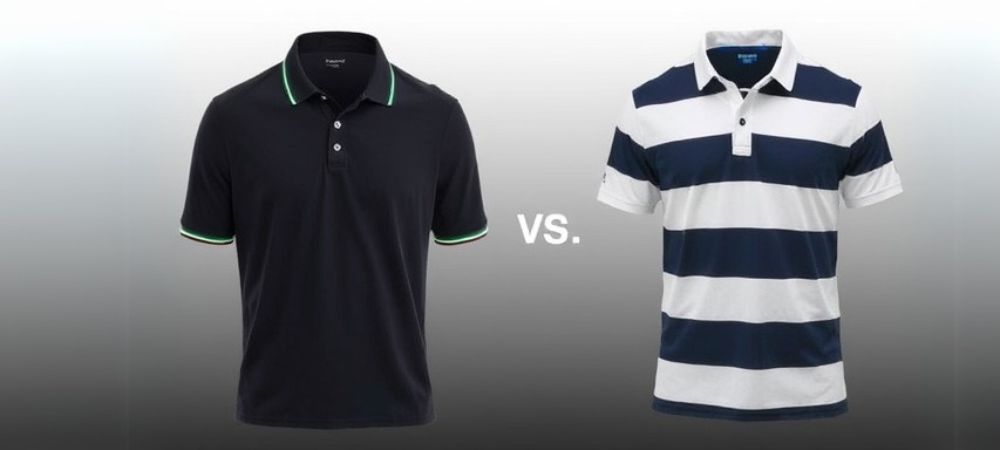
Polo shirts usually feature a soft, flat collar, often made of the same fabric as the shirt. This collar style adds a refined, preppy touch without appearing too formal. It gives polo shirts their characteristic semi-casual look, allowing them to transition seamlessly from casual to slightly dressier occasions. Windsor Custom Cotton-micro-pique Polo Shirt will be the right choice for getting a classic look.
Custom Rugby Shirts, however, sport a more rigid collar typically made of twill or canvas. This stiffer collar stands up more prominently and is designed to withstand frequent pulling and rough handling, reflecting the physical demands of rugby. Rugby collars add a distinctive look that sets these shirts apart, adding a bolder, more rugged aesthetic.
3. Button vs. Placket: Key Design Differences
The placket, or the opening below the collar, also varies significantly between polo and rugby shirts. Polo shirts usually have a short placket with two to three buttons, giving them a sleek look that complements their casual elegance. This buttoned style allows for slight adjustments in neckline fit, which can add to the overall comfort.
Rugby shirts, in contrast, often have a longer, more reinforced placket. Traditionally, these shirts have a concealed placket to minimize potential injury during play. The reinforced placket is a durability-focused design element that makes rugby shirts ideal for rough use. Bryn Custom Long-sleeved Striped Rugby Shirt by CLIFTON Clothing is a must-try.
While the shorter button placket of polo shirts enhances casual versatility, the more extended placket on rugby shirts adds to the shirt’s robust feel, offering both functionality and safety during physical activity.
4. Fit and Structure: Tailored vs. Relaxed Silhouette
Polo shirts are generally more fitted and follow the body's natural shape. This streamlined cut enhances the shirt’s refined, sporty look, making it suitable for various occasions, from casual to business-casual events. Slim-fit options are widely available, adding to the style's versatility.
Rugby shirts, in contrast, typically have a looser, boxier fit, providing room for movement, which is essential in a sports context. This relaxed fit adds to the comfort and aligns with the rugged appearance of rugby attire. The roomier fit of rugby shirts makes them ideal for layering, adding warmth without restriction.
Polo shirts are ideal for those who prefer a closer, tailored fit, while rugby shirts work best if you choose a roomier, more relaxed style. This difference in fit can make one shirt better suited to specific occasions and personal comfort preferences.
5. Sleeve Design: Short Polo Sleeves vs. Long Rugby Sleeves
Most polo shirts come with short sleeves, making them suitable for warmer weather and layering under jackets. This design contributes to their casual, athletic aesthetic, offering freedom of movement and a classic look.
Rugby shirts are usually long-sleeved, adding warmth and full coverage. The cuffs are often reinforced with ribbed material to keep them secure during physical activities, further contributing to their sporty, robust design. If you are looking for an elegant Rugby shirt, a Byron Custom Long-sleeve Knitted Rugby Jersey by CLIFTON Clothing is needed.
While polo shirts are great for summer or casual environments, rugby shirts offer an advantage in colder weather. Sleeve length impacts functionality, so choosing one may depend on the climate and the occasion.
6. Color and Pattern Choices: Solid Polos vs. Striped Rugby
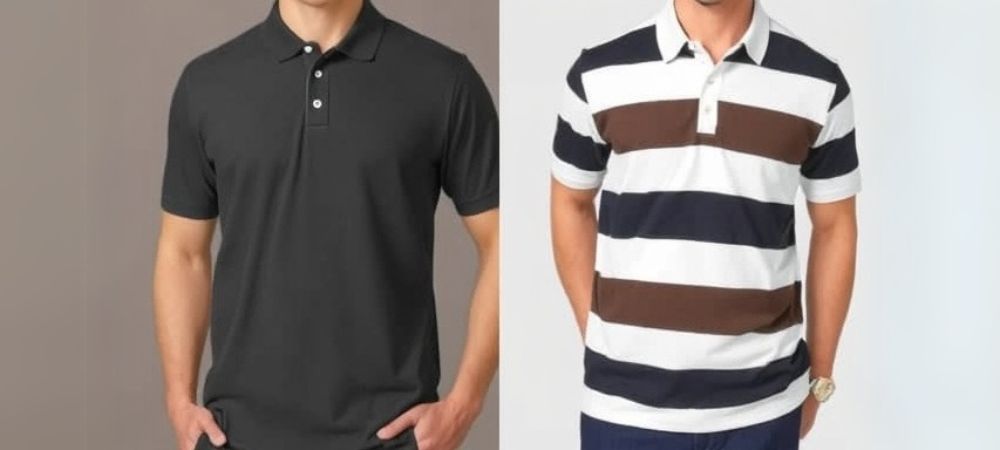
Polo shirts are commonly available in solid colors, with occasional color-blocking or minimal patterns. This solid design makes them versatile and suitable for pairing with a range of pants or shorts, adding sophistication to casual outfits.
Rugby shirts, however, often feature bold horizontal stripes in contrasting colors—a hallmark of rugby apparel. These stripes serve as team identifiers in the sport, and this design has been carried over into fashion. Rugby stripes bring a sense of sport-inspired style, making these shirts a statement piece.
The patterned designs of rugby shirts give them a bold and unmistakable appearance, while the understated elegance of polo shirts makes them more adaptable across different settings. Whether you prefer subtlety or a bold look may guide your choice here.
7. Functional Origins and Uses: From Court to Field
Polo shirts originated as functional attire for polo players and later gained popularity in golf and tennis circles. Their design focuses on comfort and style, making them suitable for various sports and social occasions.
Rugby shirts were developed for rugby players and designed to withstand the rigors of the game, including frequent tackling and rough contact. This need for resilience shaped the heavier fabric, sturdier collar, and reinforced placket typical of rugby shirts. Although both styles have made their way into everyday fashion, rugby shirts remain closely associated with a rugged, athletic aesthetic.
Polo shirts carry a heritage of refinement and activewear for warmer settings, while rugby shirts reflect a durable, sport-focused design for cooler climates or intense physical activity. Knowing this background can help you choose based on function and style preference.
Styling Tips: How to Wear Polo and Rugby Shirts
Polo shirts are incredibly versatile and can be paired with khakis, chinos, or jeans for a polished casual look. For a more refined touch, consider layering a blazer over a polo shirt to elevate the outfit. Polo shirts also work well under a lightweight jacket or pullover for a neat, balanced style.
Rugby shirts, on the other hand, are statement pieces that look best with jeans or chinos for a relaxed, rugged style. Pairing a rugby shirt with casual pants and boots can create a grounded, sport-inspired look that is both functional and stylish. Rugby shirts work as outer layers in mild weather, providing warmth and visual interest with bold stripes.
Reflexiones finales:
Polo and rugby shirts bring unique benefits to the wardrobe, allowing for versatile, seasonally appropriate-styling. When deciding between the two, consider factors like fabric weight, fit, and collar style to align with your comfort and aesthetic preferences. Polo shirts are versatile and well-suited for warmer climates, while rugby shirts offer durability and a bold, sporty design ideal for cooler weather.
Choosing between a polo shirt and a rugby shirt should reflect your needs, style, and comfort preferences. Each brings its charm, making both options valuable additions to any wardrobe.
Are you looking to add quality polo and rugby shirts to your collection? Explore CLIFTON's premium selection of rugby and polo shirts for unbeatable comfort and style. Discover the difference with CLIFTON Clothing today!
Preguntas frecuentes
What is the main difference between a polo shirt and a rugby shirt?
Polo shirts are typically lightweight and fitted, while rugby shirts are thicker, more durable, and often feature bold stripes.
Which shirt is better for warm weather?
Polo shirts are better for warm weather because of their breathable, lightweight fabric.
Can you wear a rugby shirt for casual occasions?
Yes, rugby shirts add a rugged, sporty look that works well for casual settings, especially in cooler weather.
Why do rugby shirts have a stiffer collar?
Rugby shirts have a sturdy collar to withstand the physical nature of the sport, making them more durable than a polo shirt’s softer collar.
Are polo shirts more formal than rugby shirts?
Generally, yes. Polo shirts have a sleeker look, making them suitable for casual and semi-formal events, while rugby shirts are typically more casual and sporty.

 EN
 NL
 ES
 DE
 FR
