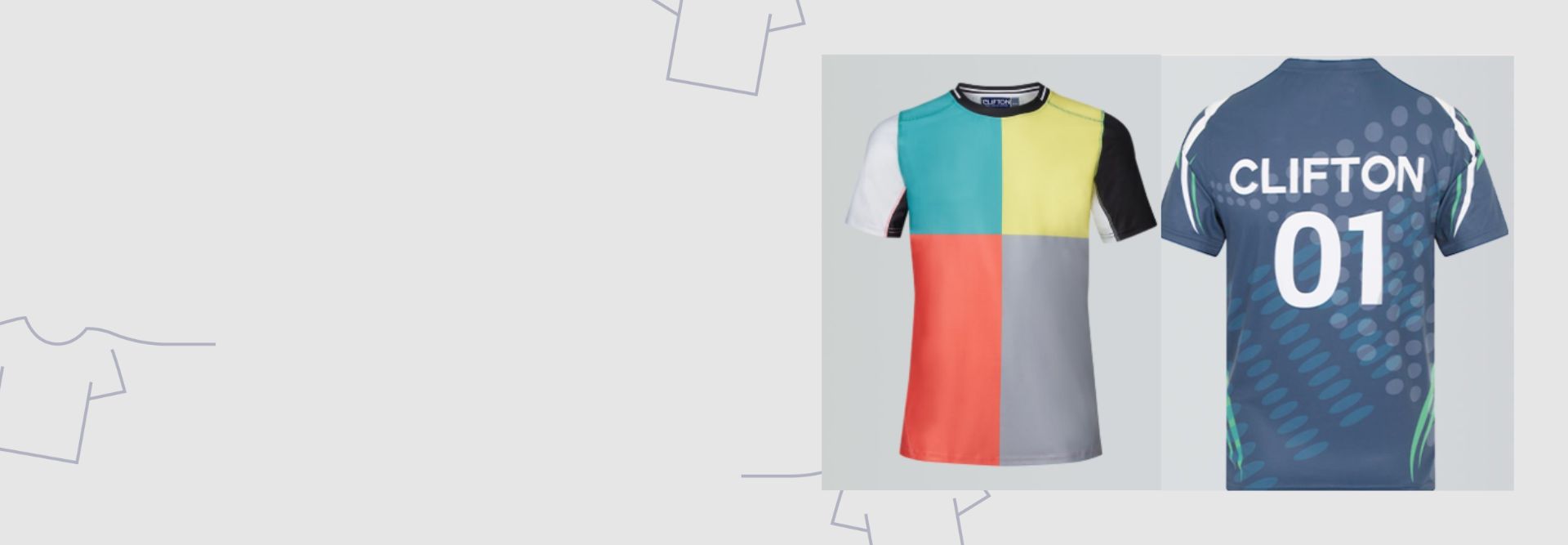
Resumen de 30 segundos
- Rugby jerseys prioritize durability and strength with reinforced stitching and tear-resistant fabrics, while soccer jerseys focus on lightweight breathability for speed and agility.
- Fit, padding, sleeve styles, and sponsorships also vary, impacting performance, comfort, and branding—rugby jerseys are tighter and more challenging, whereas soccer jerseys allow more freedom of movement.
Regarding team sports, rugby, and soccer are the most popular games worldwide. However, despite some similarities in gameplay, they are vastly different sports, especially in the jerseys players wear.
Rugby and soccer jerseys serve different functions, use distinct materials, and are designed with unique features. If you’re a player, fan, or just someone curious about sports apparel, understanding these differences can help you make better choices. It’s also important to note the difference between rugby jerseys (worn for gameplay) and rugby shirts (designed for casual wear). This ensures you choose the right product based on your needs.
Let’s explore the key differences between rugby vs soccer jerseys and why these differences matter.
Fabric and Material: Durability vs. Lightweight Comfort

One of the most significant differences between custom rugby shirts and soccer jerseys is the fabric used.
Rugby Jerseys: Built for Strength and Durability
Rugby is a high-contact sport where players engage in tackles, scrums, and rucks. Due to this reason, rugby jerseys are designed to be strong and tear-resistant. Most modern rugby jerseys are made from blended, poly, and loopback cotton, ensuring flexibility and durability.
Unlike traditional cotton jerseys, which are heavy and absorb sweat, modern rugby jerseys are moisture-wicking and breathable, helping players stay cool during intense matches. If you need a jersey for gameplay, check out the Invicti Rugby Jersey, which is designed for high-intensity performance. For a stylish, casual option, the Watson Rugby Shirt offers a premium look with the durability of classic rugby apparel.
Soccer Jerseys: Prioritizing Breathability and Speed
Soccer, on the other hand, is a game that requires speed and agility. Players run for 90 minutes, covering large distances, so their custom soccer kits are designed to be lightweight and breathable.
Soccer jerseys are typically made from polyester microfibers or performance drift, which are engineered to wick sweat away and dry quickly. Unlike rugby jerseys, which need to withstand physical contact, soccer jerseys focus more on reducing player fatigue by keeping them as cool and dry as possible. You can check out the Liga Custom Football Team Jersey and other Clifton Clothing soccer jerseys for the best experience.
Fit and Design: Loose vs. Slim Fit Styles
Jersey fit plays a crucial role in player comfort and performance.
Rugby Jerseys: Tight-Fitting for Grip and Strength
In the past, rugby jerseys were loose-fitting, similar to traditional soccer jerseys. However, modern designs have evolved into a tighter fit. The reason? A snug jersey prevents opponents from quickly grabbing and pulling the fabric during tackles.
Most rugby jerseys also feature reinforced stitching to ensure they don’t tear during rough gameplay. The collar design is another key difference—some rugby jerseys have a more substantial, reinforced collar, while others have a minimalistic design to reduce grabbing points. Check Custom Team jerseys by Clifton Clothing to find premium quality products.
Soccer Jerseys: Looser for Maximum Mobility
Soccer jerseys are not as tight-fitting as rugby jerseys because they don’t face the same physical challenges. While they are not oversized, they allow for unrestricted movement and flexibility.
Additionally, soccer jerseys feature ventilated mesh panels to enhance airflow and keep players cool. The collar is often simple and streamlined to reduce friction and discomfort.
Padding and Protection: Extra Support vs. Minimalist Design
Rugby Jerseys: Designed to Handle Impact
Rugby is a full-contact sport, and while players don’t wear excessive padding, their jerseys sometimes include extra layers of fabric or slight padding around the shoulders or chest for minor protection.
Some positions, such as forwards, may wear jerseys with reinforced areas to withstand constant impacts in scrums.
Soccer Jerseys: No Need for Extra Padding
Since soccer is a non-contact sport, players don’t need additional padding in their jerseys. The main goal is to stay lightweight to avoid restricting movement. Goalkeepers, however, may wear jerseys with light padding around the elbows and shoulders to absorb impact when diving.
Sleeves and Collar Styles: Traditional vs. Modern Trends
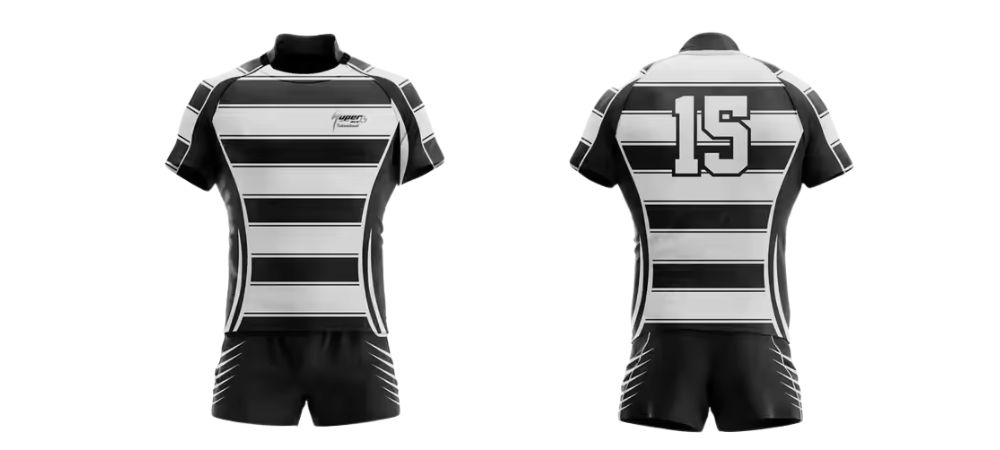
Rugby Jerseys: Short and Long-Sleeved Options
Rugby jerseys come in both short-sleeved and long-sleeved versions. The long-sleeved versions are more common in colder weather conditions or for added protection against scrapes and cuts.
The collar design in rugby jerseys varies—some teams prefer a traditional buttoned collar, while others opt for a modern, collarless design to prevent players from grabbing onto them.
Soccer Jerseys: Short Sleeves for Freedom of Movement
Soccer jerseys are almost always short-sleeved because players need unrestricted arm movement. Some players wear compression sleeves underneath their jerseys for added warmth or muscle support, but the jerseys themselves remain lightweight and flexible.
Collars in soccer jerseys are minimalistic, often rounded or V-neck, to maintain comfort and aerodynamics.
Team Logos and Sponsorships: Branding Differences
Rugby Jerseys: Larger Logos and Fewer Sponsors
Rugby jerseys typically feature more prominent team logos and fewer sponsor advertisements. Many teams prioritize traditional aesthetics, focusing on national or club colors with minimal branding distractions.
Some jerseys feature subtle patterns or textures to reflect the team’s history or identity.
Soccer Jerseys: Multiple Sponsorships and Bold Graphics
Especially in professional leagues, soccer jerseys are heavily branded with multiple sponsorships. Teams often have a central front sponsor, a sleeve sponsor, and sometimes a back sponsor.
Additionally, soccer jerseys frequently incorporate bold designs, stripes, or gradients to make them visually striking.
Price and Availability: Which Jersey Costs More?
Rugby Jerseys: Higher Prices for Durability
Because of their reinforced stitching, more substantial fabrics, and durability, rugby jerseys often come at a higher price point. They are built to withstand multiple sessions of intense gameplay.
Authentic rugby jerseys worn by professionals may be more expensive than standard supporter replicas, as they feature high-performance materials & features. If you are looking for a more affordable yet durable option, Madison Custom Performance T-Shirt by CLIFTON Clothing is what you need. It can be customized to any design, color, logo, name, etc.
Soccer Jerseys: Affordable and Mass-Produced
On the other hand, soccer jerseys are often more affordable because they are made from lighter-weight material and do not need the reinforcement that a physical game of rugby requires. While official jerseys from top brands can still be pricey, many teams offer replica versions at lower costs.
Additionally, because soccer jerseys change every season due to sponsorships and design updates, they are constantly being replaced in the market.
Why These Differences Matter: Performance and Comfort
Choosing the right jersey isn’t just about looks—it impacts performance, comfort, and durability.
A tight, durable jersey for rugby players prevents opponents from pulling them down and withstands intense contact.
A lightweight, breathable jersey for soccer players allows quick movements and reduces fatigue.
Whether you're looking for a rugby jersey for playing or a rugby shirt for casual wear, knowing these differences ensures you choose the right gear for your needs.
Where to Buy High-Quality Rugby and Soccer Jerseys?
If you're looking for premium rugby and soccer jerseys, check out Clifton Clothing for top-quality sports apparel.
Their collection includes custom-made jerseys catering to rugby and soccer teams, ensuring maximum performance and comfort.
Shop Clifton Clothing sportswear now and experience the difference in quality!
Final Thoughts
Rugby and soccer jerseys may look similar initially, but their design, fabric, fit, and functionality set them apart. Understanding these differences helps players choose the right gear for their sport and allows fans to appreciate the thought put into sports apparel.
Next time you pick a jersey, remember: it’s not just about style—it’s about performance, durability, and comfort. Shop now at CLIFTON Clothing!
Preguntas frecuentes
What makes rugby jerseys more durable than soccer jerseys?
Rugby jerseys use reinforced stitching, thicker polyester blends, and elastane for tear resistance, ensuring they withstand tackles, scrums, and physical play, unlike soccer jerseys, which prioritize lightweight materials for agility.
Are soccer jerseys more breathable than rugby jerseys?
Yes, soccer jerseys are designed with lightweight polyester microfibers and ventilated mesh panels, enhancing airflow and moisture-wicking to keep players cool during extended gameplay, unlike rugby jerseys, which prioritize durability over breathability.
Can I wear rugby jerseys for soccer (or vice versa)?
Technically, yes, but it's not ideal. Rugby jerseys are heavier and restrict movement, while soccer jerseys lack durability for rugby’s physical demands, making them unsuitable for tackling or scrums.
How do I choose the right size for rugby vs. soccer jerseys?
Rugby jerseys fit tighter for durability and grip prevention, so consider a snug fit. Soccer jerseys are looser for flexibility; choose your regular size or slightly smaller for a tailored look.
Do rugby jerseys stretch more than soccer jerseys?
Modern rugby jerseys contain elastane for flexibility and grip resistance, offering slight stretch. Soccer jerseys, made of lightweight polyester, have minimal stretch, focusing more on breathability and movement.
What’s the best fabric for hot-weather games in rugby or soccer?
For hot weather, moisture-wicking polyester is best. Soccer jerseys use breathable microfiber polyester, while rugby jerseys incorporate lightweight, sweat-resistant fabrics to balance durability and ventilation.

 EN
 NL
 ES
 DE
 FR
