.jpg)
In men's fashion, two wardrobe essentials often need to be clarified: sports jackets and blazers. Both garments are timeless and can be worn in multiple ways, yet they serve distinct purposes and offer different styling options.
The sports jacket, with its casual and rugged appeal, is perfect for informal or smart-casual settings. At the same time, the blazer, known for its structured and refined look, suits semi-formal and business-casual occasions. Understanding the critical differences between sports jackets and blazers can help you make better decisions when dressing for various events.
From fabric choices to fit and detailing, this guide will cover the origins of each jacket and offer practical tips on how to style them for casual and formal occasions.
Brief History of the Sports Jacket and Blazer
The Rugged Origins of the Sports Jacket
The sports jacket began as a purely functional garment for outdoor activities such as hunting, shooting, and horseback riding. Originating in the English countryside, it was initially worn for sporting purposes—hence its name.
Since it needed to withstand rugged environments, it was typically made from sturdy, thick, or waterproof fabric. Over time, this practical piece of outerwear evolved into a stylish casual garment, appreciated for its relaxed fit and durability.
While it’s no longer limited to outdoor sports, the sports jacket retains some of its original character, with earthy tones and textured fabrics that make it ideal for casual and smart-casual looks.
The Nautical Roots of the Blazer
The blazer, in contrast, has a more formal background. Its origins can be traced back to the early 19th century when it was worn as part of the uniform for British naval officers. The blazer’s design was sleek and structured, typically made from wool with brass buttons that added a touch of regality.
As naval officers were often viewed as high society, the blazer quickly gained popularity among civilians, becoming a wardrobe essential for semi-formal occasions. While it retains its association with formal attire, the modern blazer has evolved into a versatile jacket that can be dressed up or down, making it appropriate for various events, from business-casual meetings to dinner parties.
Fabric Choices: The Materials That Define the Style
Sports Jacket Fabrics: Durability Meets Style
A critical distinction between the sports jacket and the blazer is in the fabrics used. Sports jackets are generally made from heavier, more textured materials, originally designed to withstand outdoor activities.
They are usually made from peached microfiber fabric and can be upgraded into waterproof materials to withstand any weather. A lightweight micromesh mesh and warm microfleece lining can be added to make it warmer.
The rugged nature of the fabrics, combined with their bold patterns, makes the sports jacket a standout piece in any casual wardrobe. You can get the best custom jackets from CLIFTON Clothing.
Blazer Fabrics: Refined and Polished
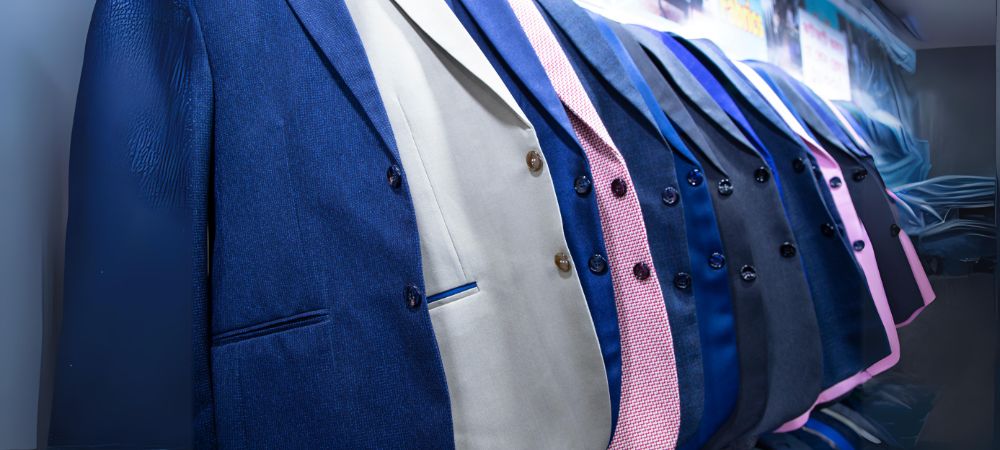
Blazers, on the other hand, are crafted from lighter and more refined fabrics. They are designed to be sleek and polished, often in solid colors that emphasize their semi-formal nature. Common fabrics include:
- Wool: Wool is the most common material for blazers because of its balance between warmth and structure.
- Cotton: A more casual alternative, cotton blazers are lightweight and perfect for warmer seasons.
Unlike sports jackets, custom blazers are generally found in solid colors like navy, black, and gray. This minimalist design makes them versatile for various occasions, from business meetings to semi-formal events.
Structural Differences: Casual Comfort vs. Tailored Precision
The Relaxed Fit of the Sports Jacket
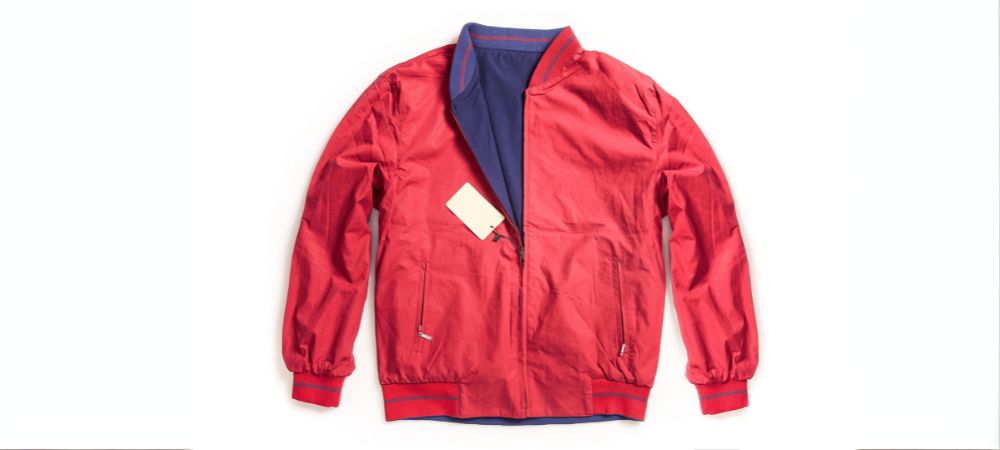
Sports jackets are characterized by their more relaxed and comfortable fit. This looser cut was initially designed to allow more significant movement during physical activities like hunting or horseback riding. The jacket often has softer shoulders, which contribute to its casual appearance.
Key structural features of a sports jacket include:
- Unlined or Lightly Lined: This makes the jacket more breathable and allows for layering.
- Soft Shoulders: Less padding gives the sports jacket a relaxed silhouette.
- Extra Pockets: Functional pockets, including patch and flap pockets, add to the casual and practical nature of the sports jacket.
- Elbow Patches: A hallmark of the sports jacket, elbow patches add a touch of style and serve a functional purpose in reinforcing areas prone to wear.
Sports jackets are ideal for casual and smart-casual settings where comfort is just as important as style. Ashdown custom track jacket is the perfect example of a sports jacket.
The Tailored Fit of the Blazer
Blazers are known for their structured, tailored fit. The jacket enhances the wearer’s silhouette with more defined shoulders and a slimmer waist. This sharp structure gives the blazer a polished, formal look.
Key structural elements of a blazer include:
- Fully Lined: Most blazers are fully lined to provide a smooth finish and add weight to the garment, making it suitable for formal occasions.
- Padded Shoulders: The padding creates a more structured, authoritative look.
- Minimalist Design: Blazers tend to have fewer embellishments, ensuring they maintain a clean and elegant aesthetic like Cleese custom cotton sports coat with piping.
The blazer’s precise tailoring makes it ideal for semi-formal and business-casual occasions, where looking sharp and polished is essential.
Style and Occasion: How to Choose the Right Jacket
Sports Jacket: Casual to Smart-Casual Versatility
The sports jacket is the perfect choice for casual and smart-casual events. Its relaxed fit and rugged fabrics make it a versatile option that can be dressed up or down, depending on the occasion.
Some ideal pairings for a sports jacket include:
- Jeans: A sports jacket worn with dark jeans creates a smart-casual look that’s perfect for weekend outings or casual dinners.
- Chinos: Pairing a sports jacket with chinos offers a refined yet relaxed look, suitable for more laid-back business settings or casual parties.
- Tailored Trousers: Wear a sports jacket with tailored trousers for a slightly dressier approach. This combination works well for smart casual office attire or evening events.
The sports jacket shines in places where a full suit might be too formal, but you still want to look polished and put together.
Blazer: Perfect for Semi-Formal and Business-Casual Settings
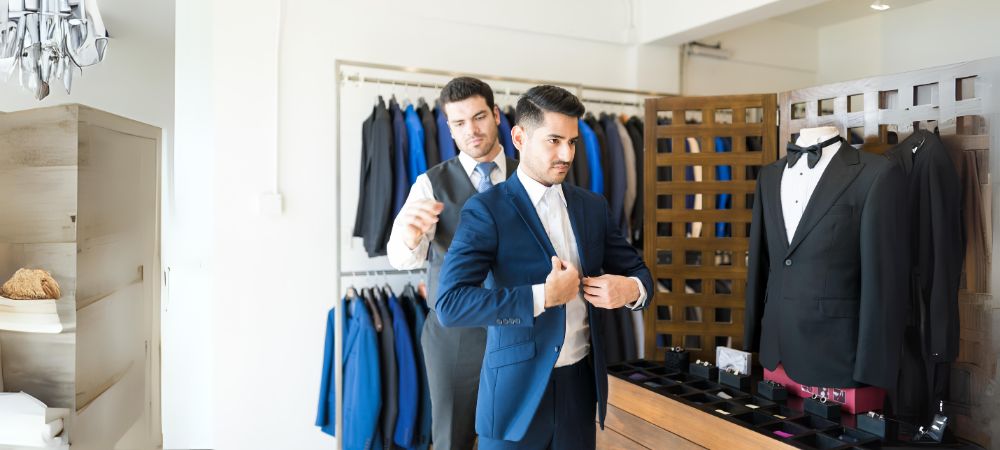
Wondering how to style a blazer? They are more formal than sports jackets, making them a go-to option for semi-formal occasions, business-casual environments, and social events where a polished look is essential.
Ideal blazer pairings include:
- Dress Pants: A navy blazer with gray dress pants is a classic combination perfect for business meetings or formal dinners.
- Chinos: For a more relaxed take on semi-formal, pair a blazer with well-fitted chinos. This look is ideal for business-casual settings or daytime events.
- Trousers in Contrasting Colors: Mixing and matching blazers with trousers in different colors adds visual interest while maintaining a refined appearance.
Blazers are often the jacket of choice when a full suit feels too formal, but a sports jacket might be too casual.
Layering Options: Flexibility vs. Sleekness
Layering with a Sports Jacket: Adaptable and Practical
Because of their relaxed fit, sports jackets are ideal for layering. They easily accommodate bulkier clothing, such as:
- Sweaters: A sports jacket over a thick sweater is a great way to stay warm without sacrificing style.
- Vests: For a more classic look, pair a sports jacket with a vest or gilet, adding both warmth and texture to your outfit.
- Scarves and Accessories: The casual nature of a sports jacket makes it easier to accessorize with scarves and hats, particularly in colder months.
The sportier nature of the jacket means it can be worn open or closed without affecting its overall look, making it a great option for transitional weather. They are the best custom sports apparel.
Layering with a Blazer: Clean and Refined
Blazers, with their tailored fit, offer less room for heavy layering. However, they can still be layered in a sleek, refined way:
- Thin Sweaters: A lightweight sweater or turtleneck worn under a blazer adds warmth while maintaining a sharp silhouette.
- Dress Shirts: Blazers are often worn over dress shirts, with or without ties, for a classic business-casual or semi-formal look.
- Overcoats: In colder months, blazers pair well with tailored overcoats, ensuring you stay warm while keeping your outfit sharp and professional.
While the blazer isn’t meant for heavy layering, its streamlined fit works well with lighter layers that complement its formal nature.
Pairing with Pants: What Complements Each Jacket?
Sports Jacket Pairings: Jeans and Casual Trousers
Sports jackets are incredibly versatile when it comes to pairing with different types of pants. Some go-to combinations include:
- Jeans: A sports jacket paired with jeans is a classic casual yet stylish look. Opt for darker denim for a more polished appearance.
- Chinos: Chinos offer a smart-casual alternative to jeans, making them a great choice for slightly more formal settings.
- Corduroys: Wear a sports jacket with corduroy pants for a textured, fall-friendly look.
Sports jackets often feature bold patterns and rugged fabrics; it's best to pair them with solid-colored pants to balance out the look.
Blazer Pairings: Dress Pants and Slacks
Blazers are typically worn with more formal trousers, although they can also be dressed down slightly for business-casual settings. Some ideal pairings include:
- Wool Slacks: Blazers pair beautifully with wool slacks in neutral tones, offering a classic look perfect for the office or formal events.
- Chinos: Pair a blazer with chinos in complementary colors for a more relaxed yet still polished look.
- Trousers in Contrasting Colors: Mix and match blazers with trousers in contrasting colors, such as a navy blazer with khaki pants, for a bolder look.
Blazers should generally be worn with dressier pants, avoiding overly casual options like jeans, which can detract from the blazer’s refined aesthetic.
Buttons and Details: Functional Vs. Minimalistic
Sports Jacket Details: Practical and Decorative
Sports jackets often feature decorative details that reflect their rugged origins. These include:
- Elbow Patches: A hallmark of the sports jacket, elbow patches add a touch of style while reinforcing areas prone to wear.
- Extra Pockets: Functional pockets, including patch and flap pockets, give the sports jacket a practical edge.
These details add character to the sports jacket, making it a statement piece that stands out in casual settings.
Blazer Details: Subtle and Elegant
Blazers, in contrast, are more minimalistic in design. Some common blazer details include:
- Metal Buttons: Many blazers feature metal buttons, particularly brass, which harken back to their naval roots.
- Simple Lapels: Blazers usually have notch or peak lapels, contributing to their clean, elegant aesthetic.
Blazers are designed to be sleek and polished, with minimal embellishments that ensure they remain versatile for formal and semi-formal settings.
Final Thoughts: Knowing When to Wear Each
The sports jacket and the blazer are essential pieces in anyone’s wardrobe, but they serve different purposes. The sports jacket is ideal for casual and smart-casual occasions, offering comfort, style, and flexibility. Its relaxed fit and bold patterns make it perfect for daytime outings, weekend events, or informal gatherings.
On the other hand, the blazer is the go-to choice for semi-formal events and business-casual environments. Its structured fit, minimalistic design, and refined fabrics make it a timeless piece that always looks sharp and polished.
By understanding the critical differences between these two jackets—whether fabric, fit, or occasion—you can build a wardrobe that can confidently navigate any event. Whether you're dressing for a relaxed weekend or a formal dinner, having a sports jacket and a blazer ensures you'll always have the right option.
Explore the selection of sports jackets and blazers at CLIFTON Clothing for stylish and high-quality options. Shop now to elevate your wardrobe with timeless pieces!
FAQs
1. What is the main difference between a sports jacket and a blazer?
The critical difference lies in formality and structure. Sports jackets are more casual, offering a looser fit with more relaxed styling. They often feature bold patterns and practical elements like extra pockets. Blazers are more formal, with a tailored, structured fit, usually in solid colors, and are typically worn in semi-formal or business-casual settings.
2. Can I wear a sports jacket to a business meeting?
Generally, sports jackets are too casual for formal business meetings. However, if paired with dressier trousers and a collared shirt, a sports jacket can be appropriate for a smart-casual office setting or informal business lunch. For more formal environments, a blazer or suit is the better choice.
3. Can I wear a blazer with jeans?
You can wear a blazer with jeans for a business casual or smart casual look. Pairing a navy or black blazer with dark, well-fitted jeans creates a stylish balance between formal and casual. However, avoid pairing a blazer with overly distressed or baggy jeans to maintain a polished appearance.
4. Is it okay to wear a sports jacket to a wedding?
A sports jacket may be acceptable for a casual or outdoor wedding, especially with chinos or dress pants. However, opting for a blazer or a full suit for more formal weddings to match the occasion's dress code is better.
5. How should a blazer fit?
A blazer should fit snugly in the shoulders, with the sleeves ending just above the wrist bone. It should taper at the waist to create a sharp silhouette while allowing room for movement. A well-fitted blazer enhances your overall appearance, adding a level of sophistication.
6. Can I wear a sports jacket with dress shoes?
Sports jackets can be paired with dress shoes, especially in smart-casual outfits. Pairing a tweed or corduroy sports jacket with leather loafers or brogues can elevate your look while keeping it relaxed yet stylish.

 EN
 NL
 ES
 DE
 FR
